
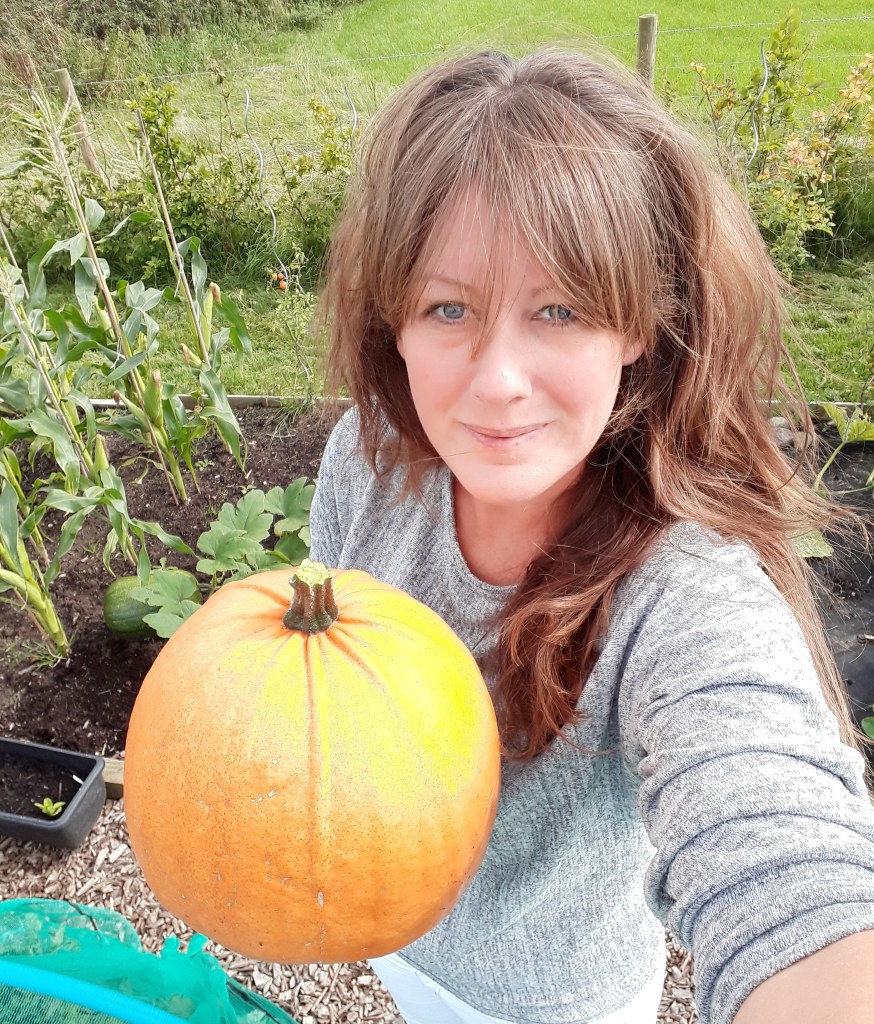
I`m Helena, a country girl at heart, as well as a self confessed crazy chicken lady. You`ll find me at my happiest when I`m outside in my dungarees and wellies, wearing my bobble hat & sporting dirty hands. When I took on Damson Tree Paddock two years ago it was with one aim: to become more self sufficient. I wanted to grow and rear as much of our own food as I could, organically and seasonally. I have two small boys and I want them to grow up knowing where our food comes from and understanding that we all have a role to play in reducing waste, limiting air miles and just living a little more slowly and simply. This is my diary of that journey. It has been a steep learning curve, and I will continue to learn – I hope this inspires you to get growing!
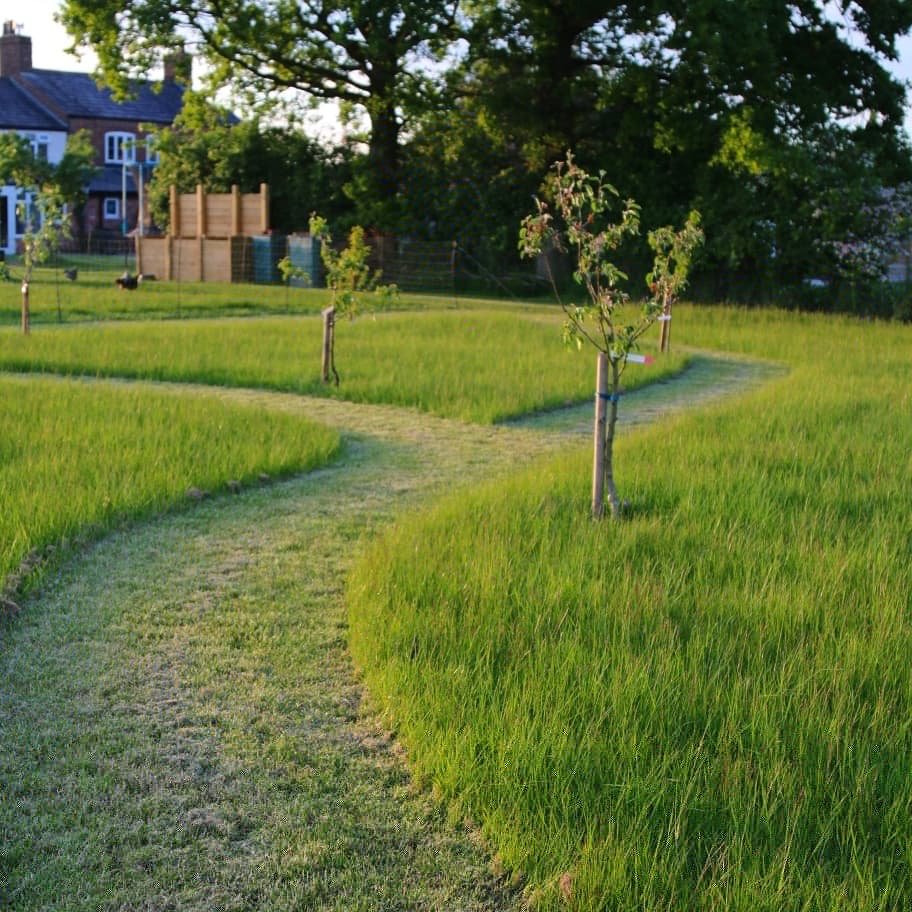
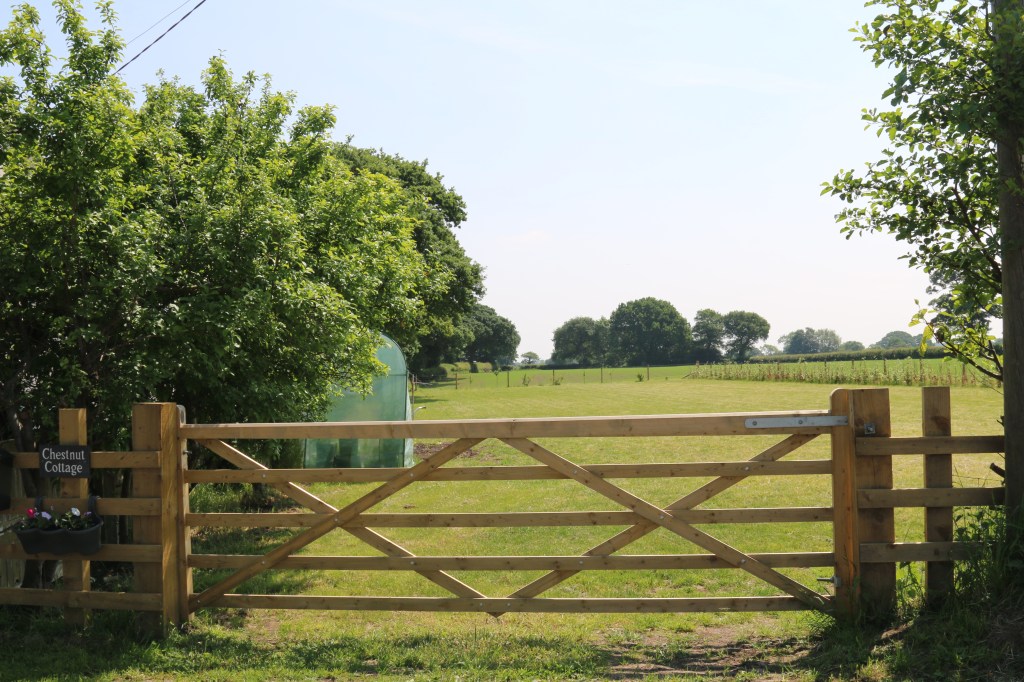
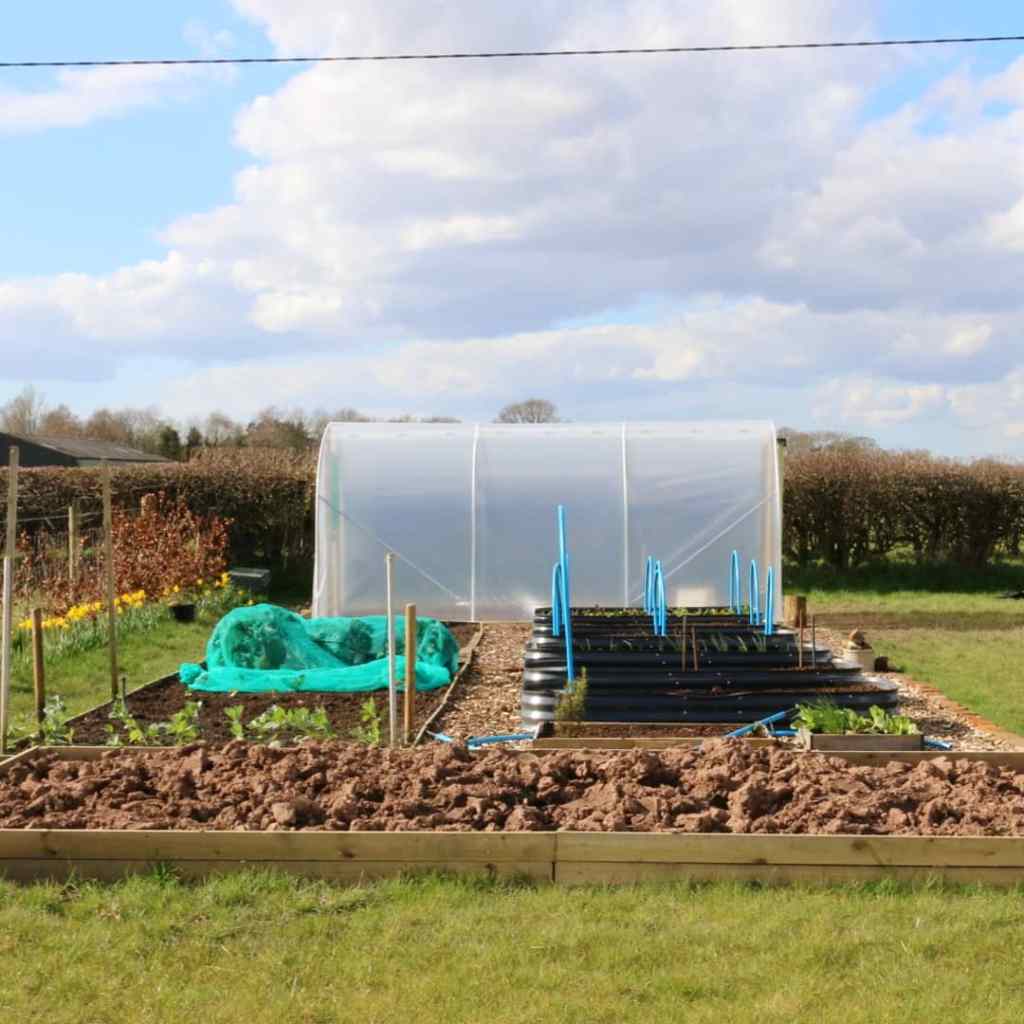
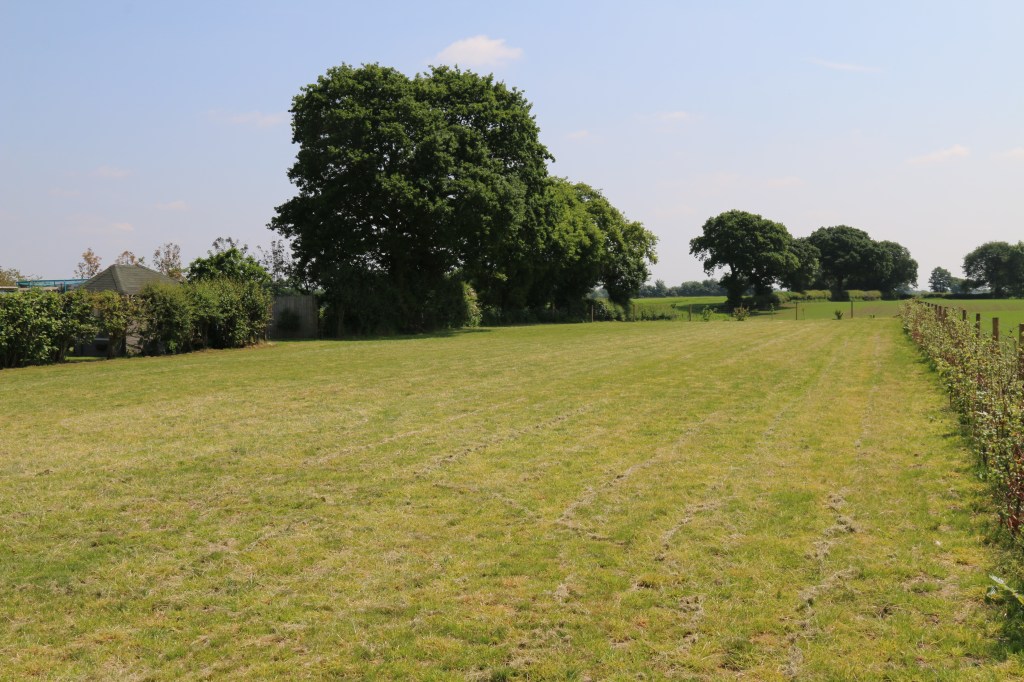
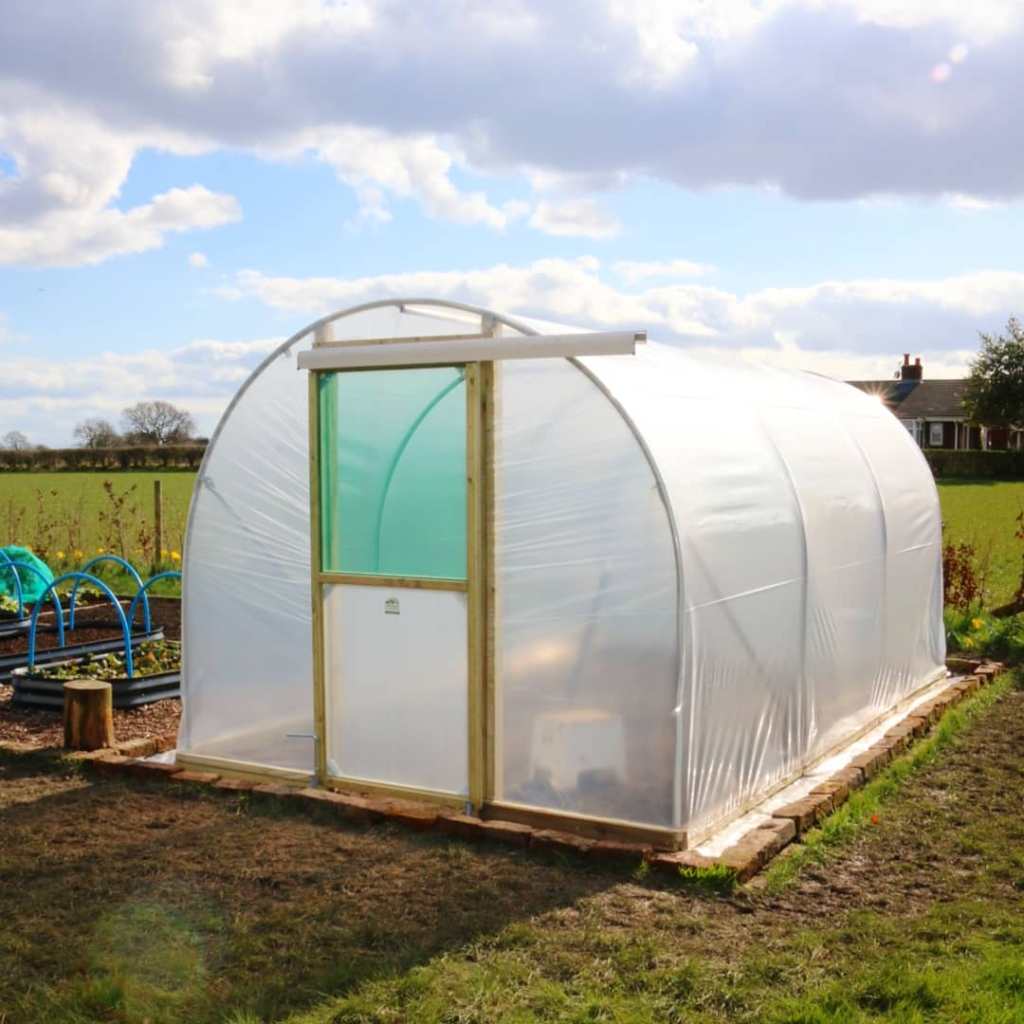
Damson Tree Paddock is a patch of land which directly adjoins my home in the heart of rural Cheshire. Measuring just under 0.5 acres it started life as a ploughed but very uneven patch of mud. Previously used to graze sheep and grow potatoes there was a lot of work to do. The ground was levelled, rolled and laid to grass in it’s first autumn. The wettest winter, followed by the coldest spring and then the hottest summer significantly slowed progress. 350 bare root beech hedges were planted, along with an edible fruit hedge at the top, and an orchard. The chickens followed a year later, as did the vegetable patch. This year has seen the extension of the area used to grow vegetables and the addition of a polytunnel and a raised bed dedicated to growing cut flowers. It has been a slog at times and I have made many mistakes but after two years the hard work is paying off and it is really beginning to take shape. It will always be a work in progress for as long as I live here but that’s one of the things I love so much about it. It evolves, grows and changes, just like I do. This little patch of green moulds me, & I it. That connection with nature is what keeps me sane and I am ever so grateful for it!
In the orchard there are three apple trees, a pear, a peach, a plum and a cherry tree. The edible hedge comprises of blueberry bushes, summer and autumn fruiting raspberry bushes as well as red and white gooseberries, redcurrants, whitecurrants, pinkcurrants and blackthorns for sloes. Much of the yield gets eaten directly off the bushes but any excess is frozen, or turned into jam. The sloes are added to gin in time for Christmas.
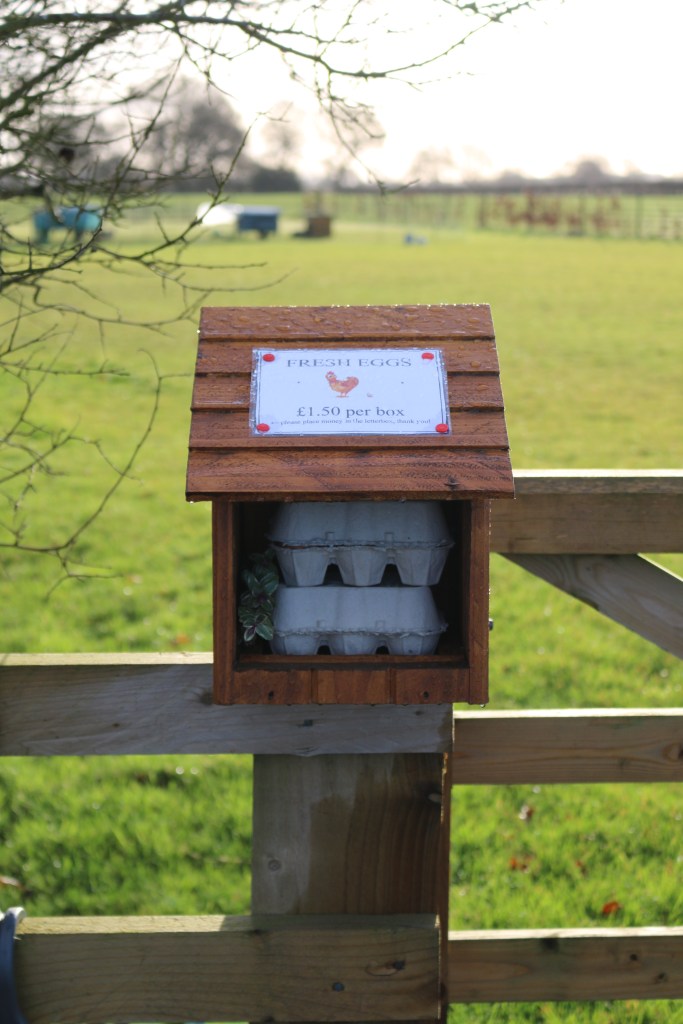
Six fluffy feathered ladies scratch and graze around the paddock. They love the autumn windfall fruit as much hunting out the worms and slugs. Their bedding gets added to the compost pile which in turn gets added onto the vegetable beds each autumn.
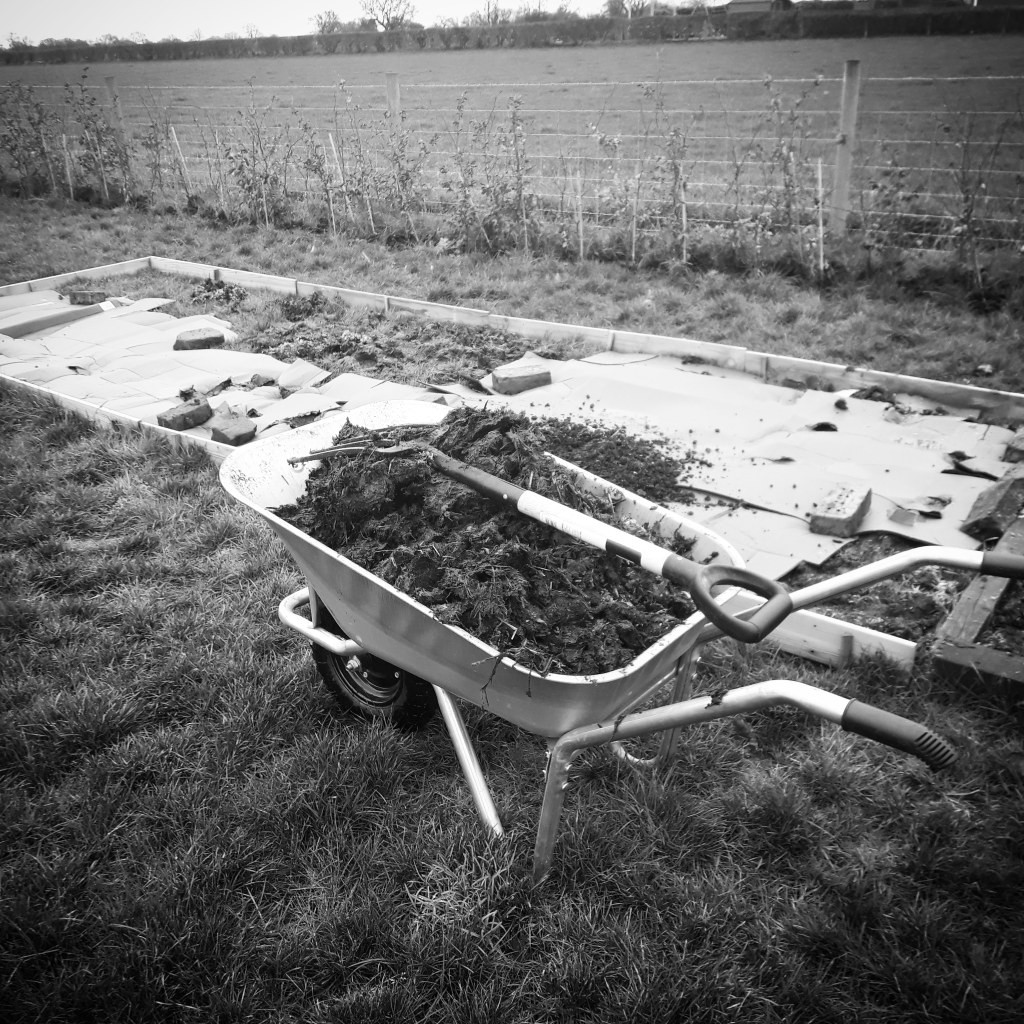
I grow all my fruit and vegetables organically – I add nothing to the soil, only a mulch each year of as much home grown compost as I can make. This method of not digging over the soil each season is widely known as the “No Dig” method. Not only does it reduce my workload significantly throughout autumn but it is much better for the health of the soil, and as such I think I yield a better crop from it.
The polytunnel houses a tender peach tree, and in there I start most of my crops off in a seed bed. Come the end of May, after the last frost has passed, I use the polytunnel to grow all my tomatoes, peppers, cucumbers, aubergines, chilli’s and melons.
 damsonsandlavender.com